
Everything you grow depends on what you can't see
A living network of microbes, fungi, and carbon is doing the real work beneath every lawn, bed, container and row. For eighty years we've fed it chemistry instead of biology, and forgot to ask what it actually needed. This is the case for feeding it again.
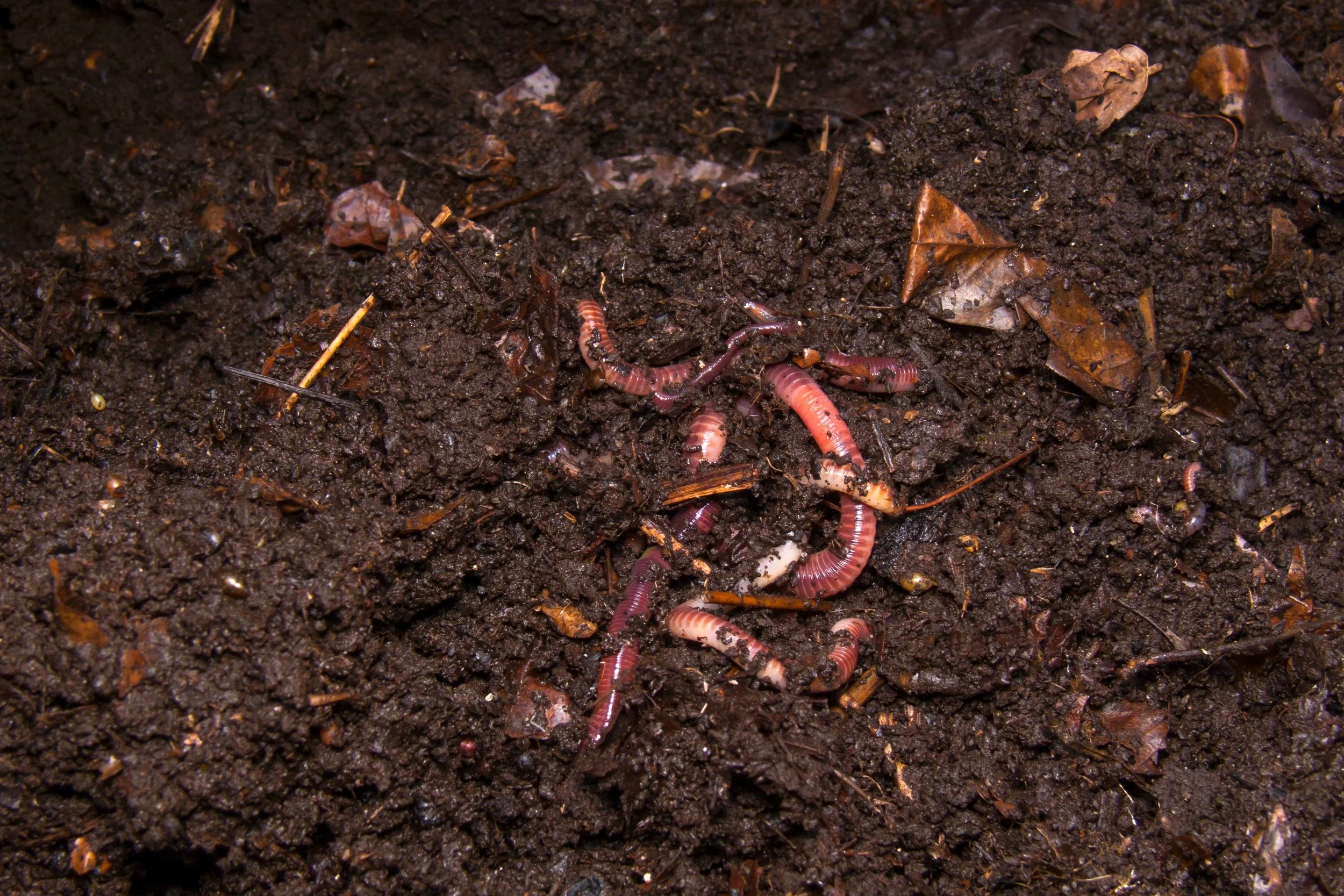
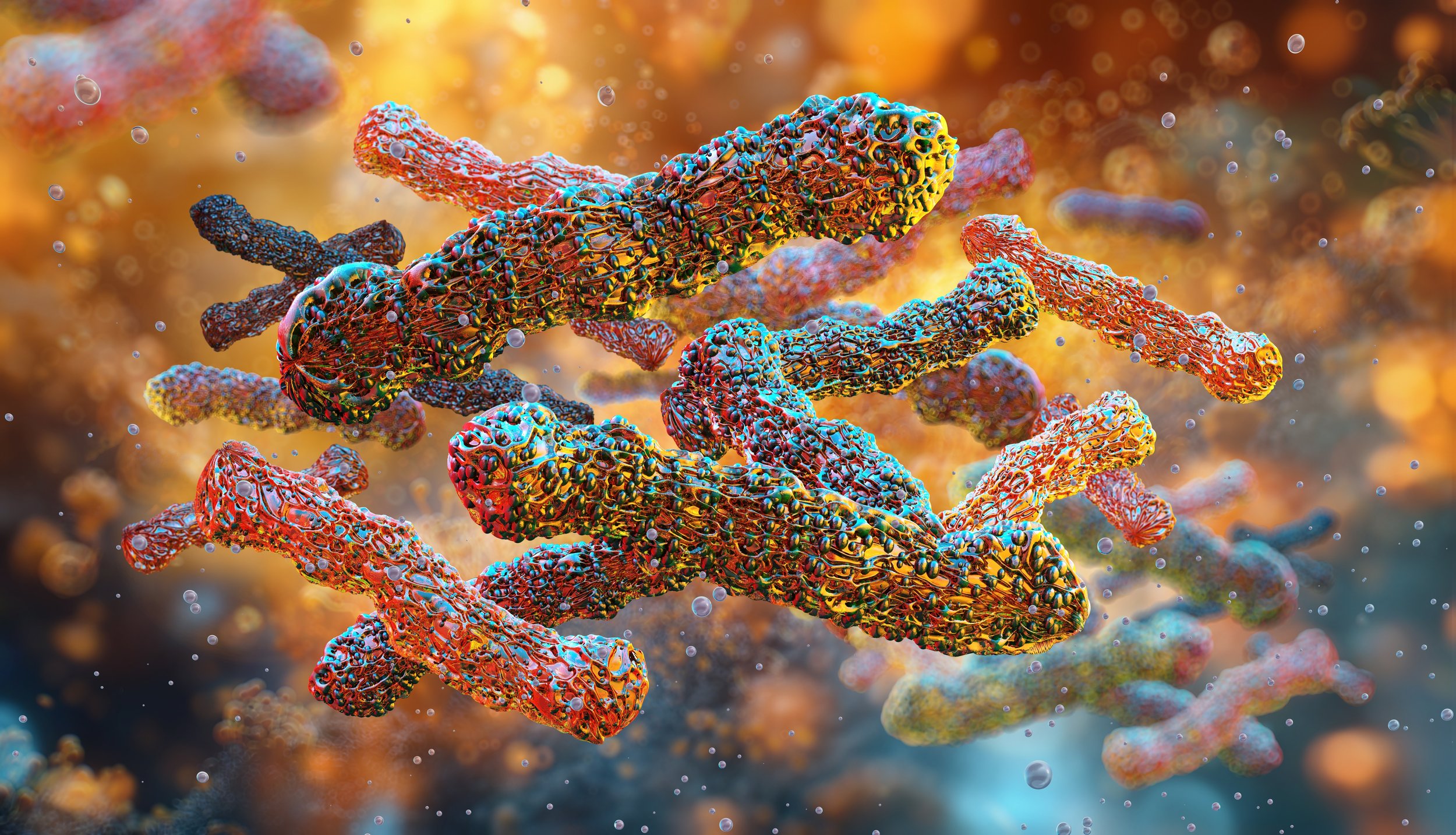
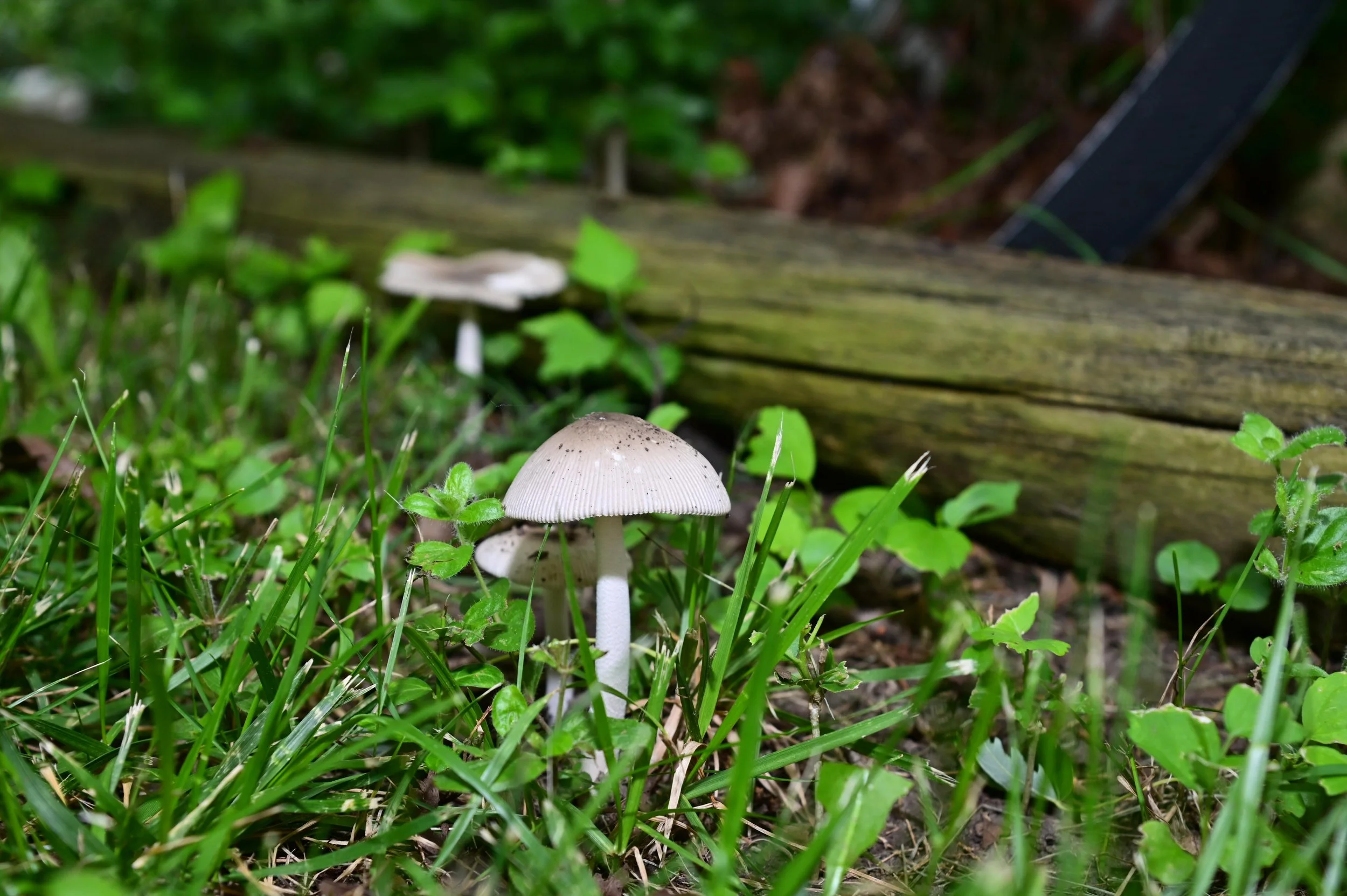
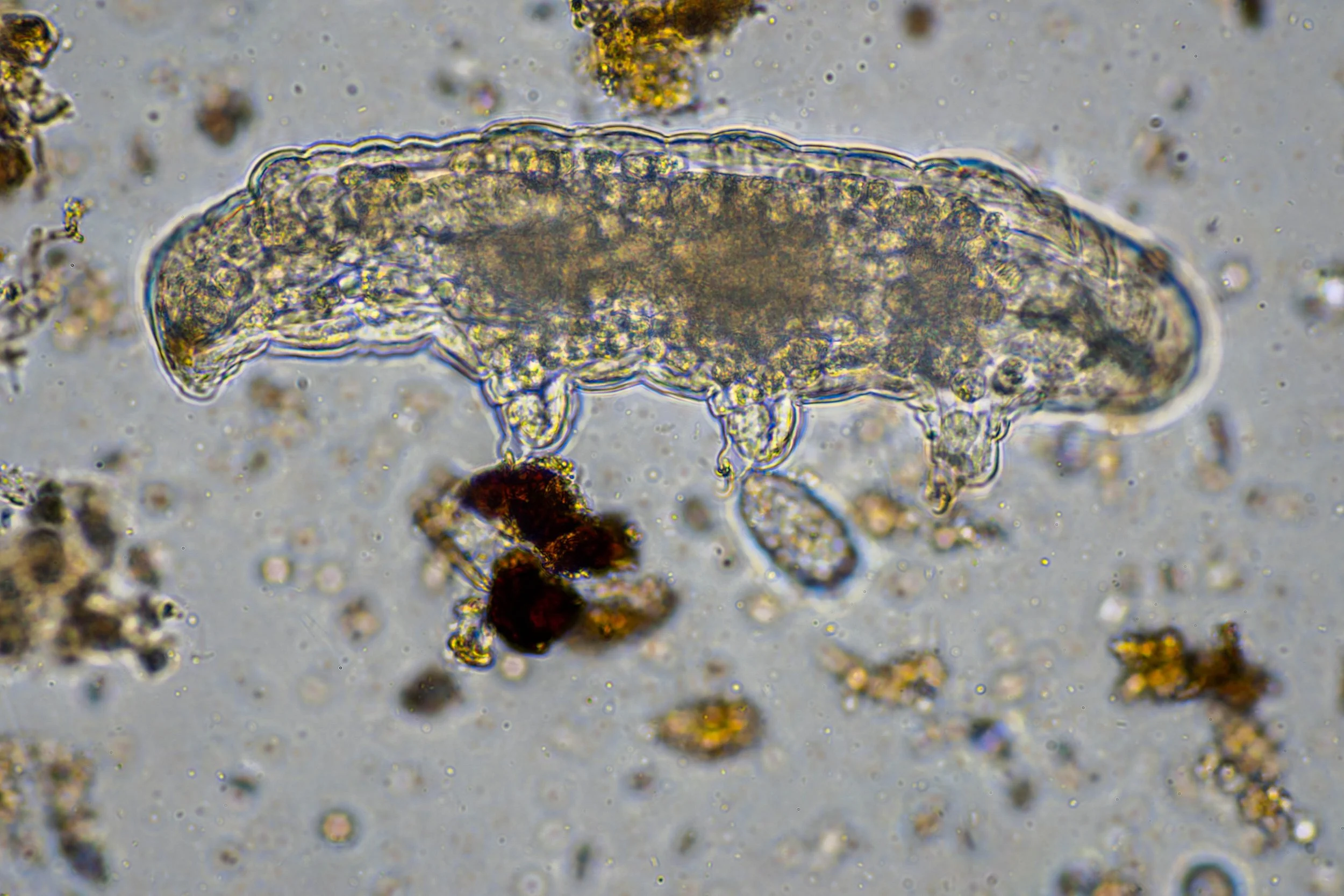
One tablespoon of healthy soil contains billions of fungi, protozoa, and other microscopic life.
70 Million Pounds of pesticide applied to U.S. lawns and gardens annually
35% of Corn Belt farmland has completely lost its topsoil.
The Industrial Revolution didn't just change farming. It changed how fast soil disappears.
The Soil is Alive
Beneath every lawn, garden, and field is a living community that cycles nutrients, stores water, builds structure, and supports plant life.
The Soil
We Inherited
Before WWII, farming built soil: compost, rotation, fallow years. What followed was fast, effective, and quietly devastating: munitions plants became fertilizer plants, nerve-agent research became pesticide research, and soil went from a living system to a growing medium.
We're still living in the aftermath, and still paying for it, one synthetic input at a time.
Soil becomes dirt. Dirt becomes sand.
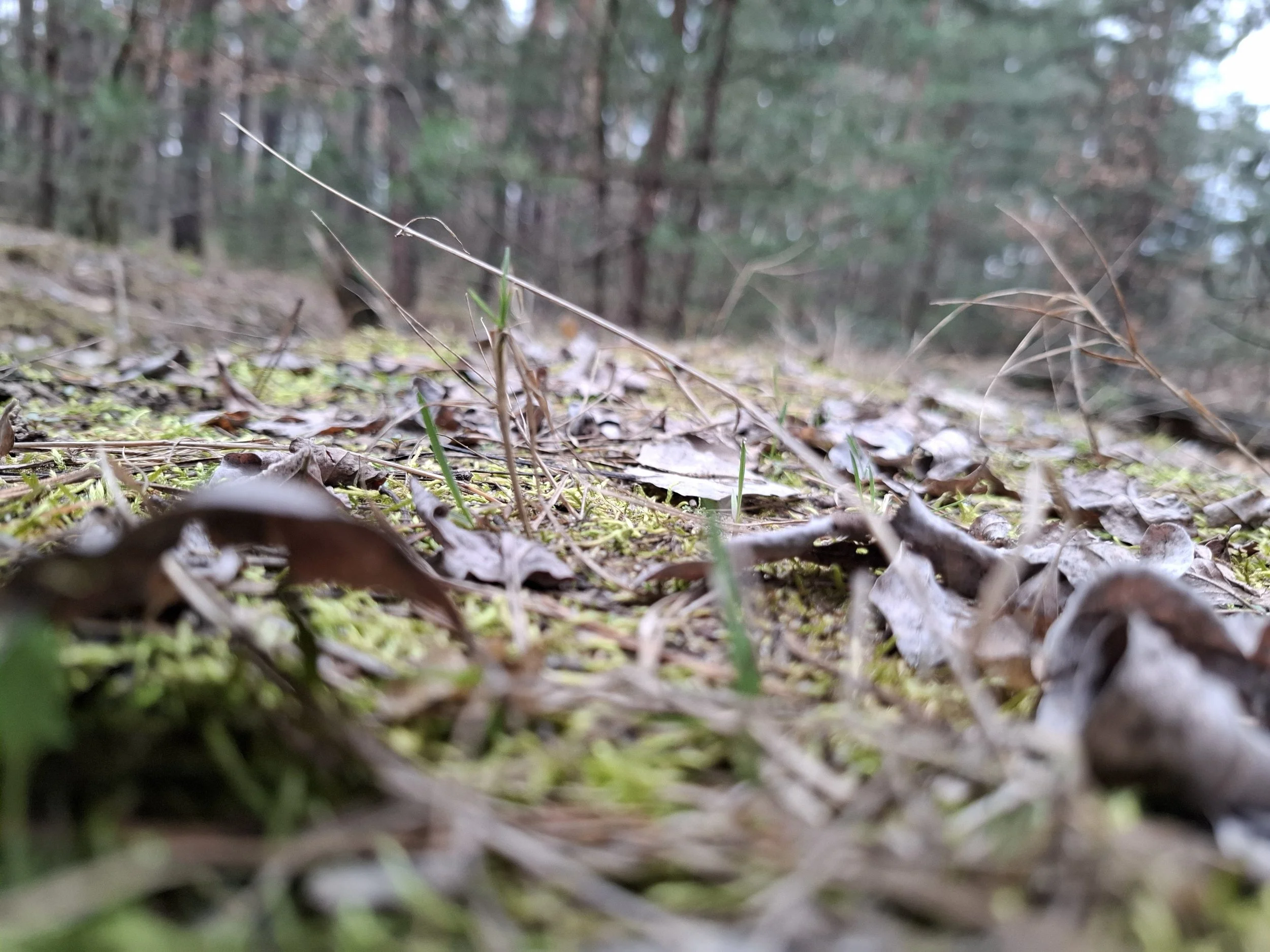
It doesn't have to stay that way. Soil, dirt, and sand aren't three names for the same thing, they're three different amounts of one thing: organic carbon. More carbon feeds more microbial life, and living soil holds onto more of what it's given, including water.
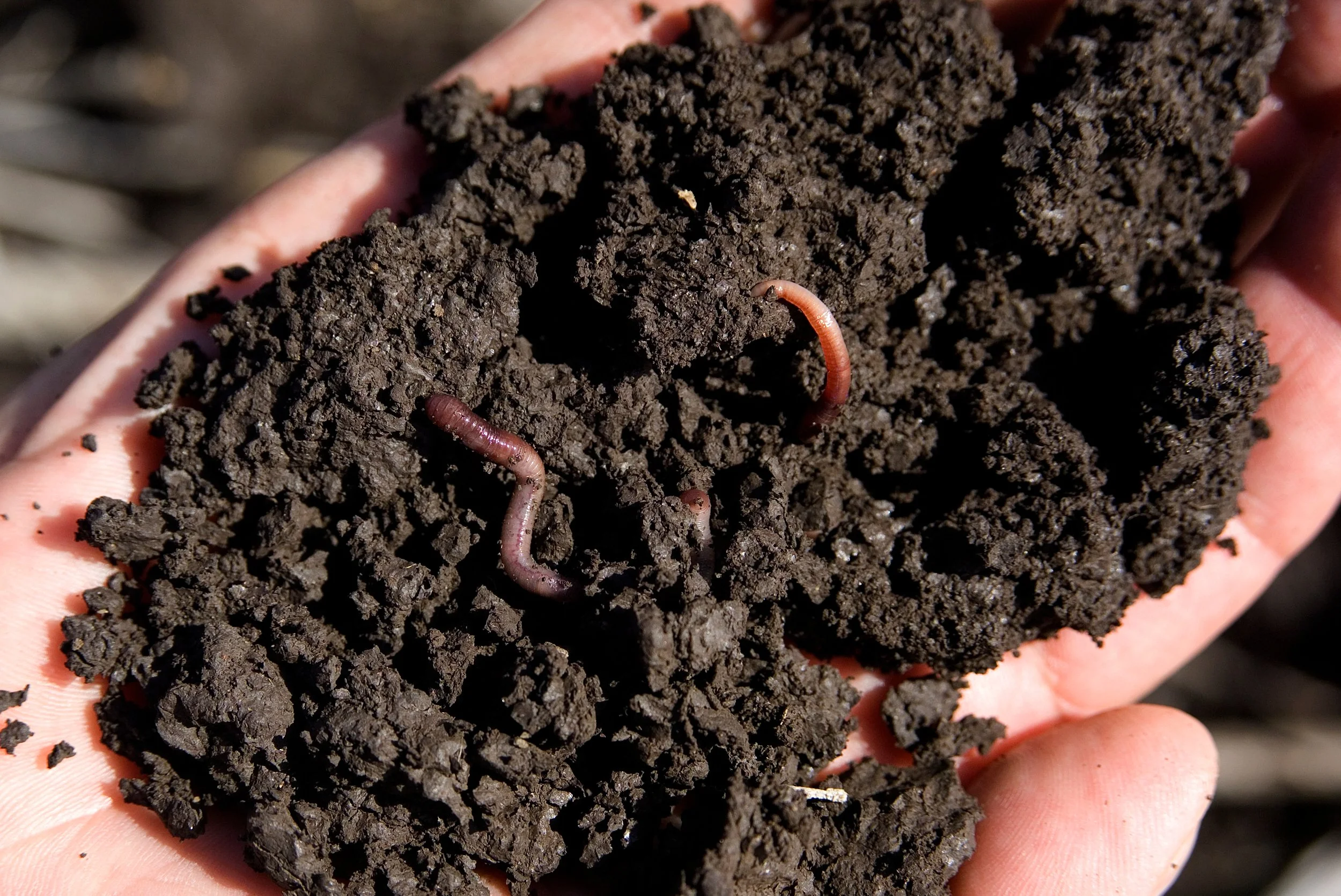
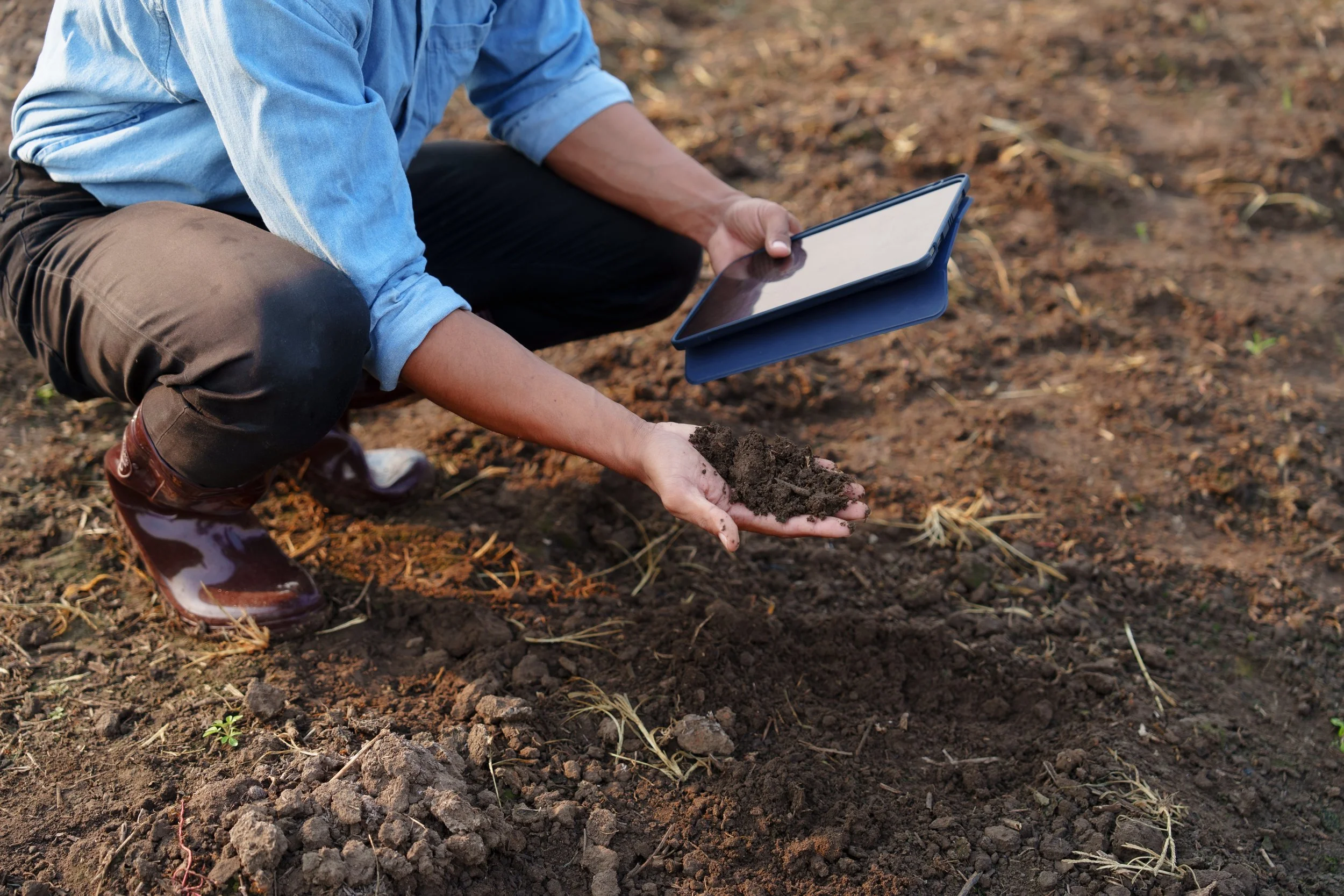
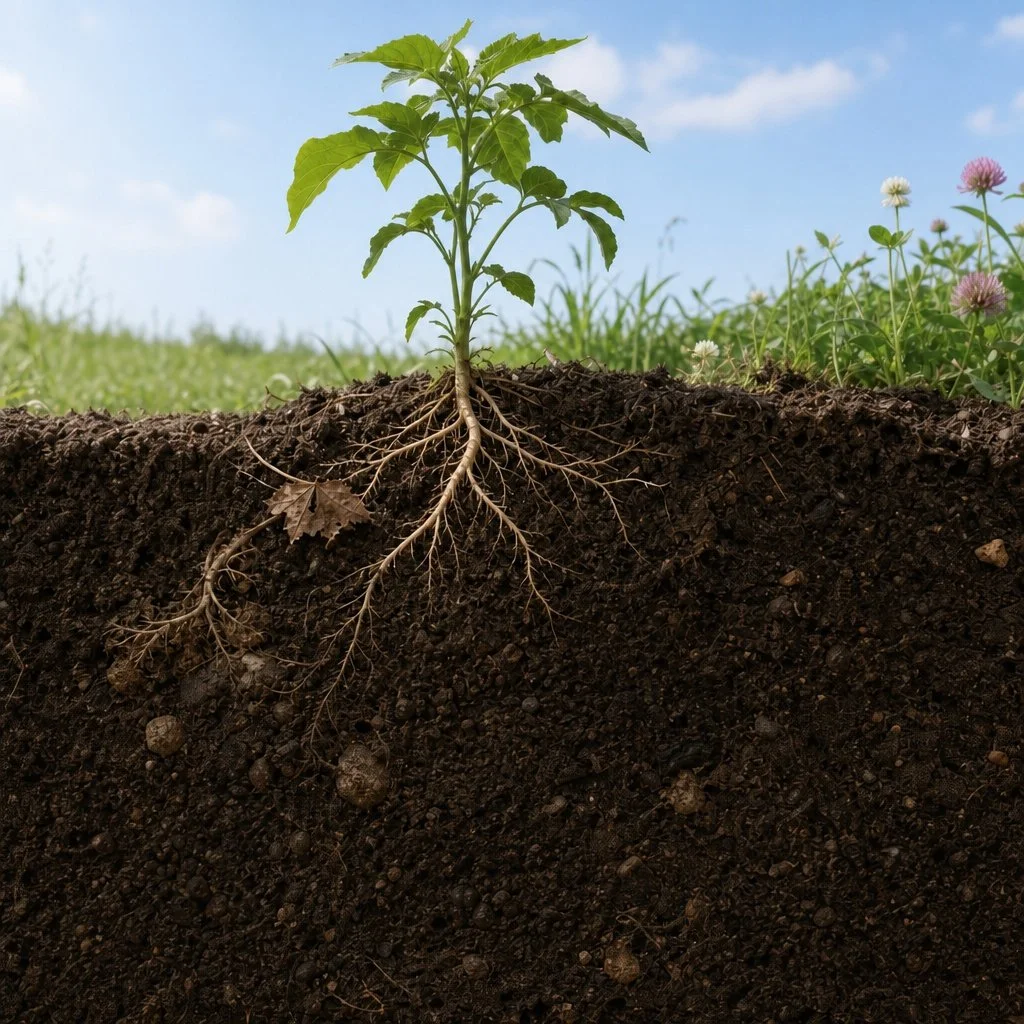
Carbon belongs in the soil
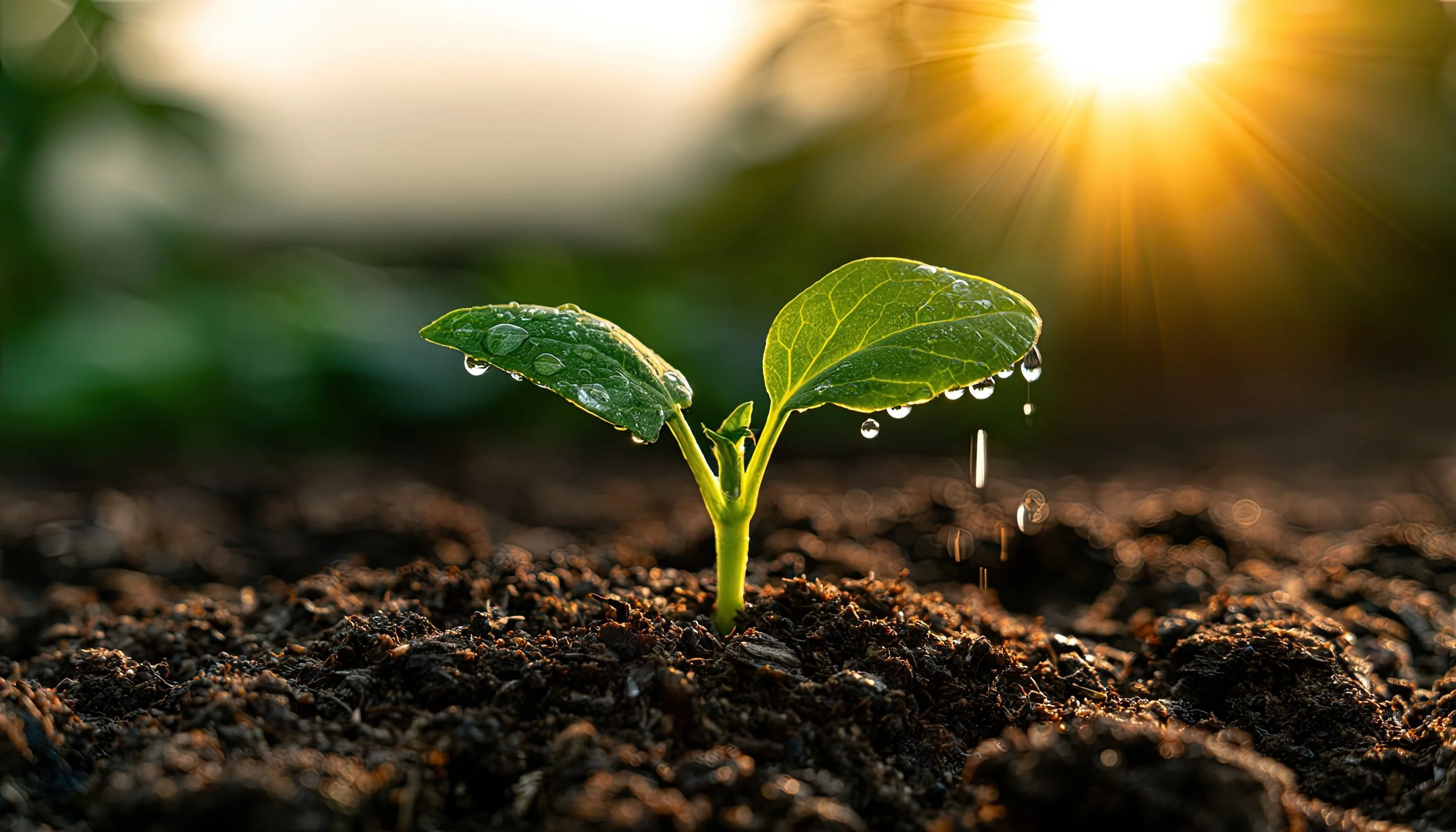
Plants move carbon below ground through their roots, where it feeds microbes, supports organic matter, and helps build healthier, more resilient soil.

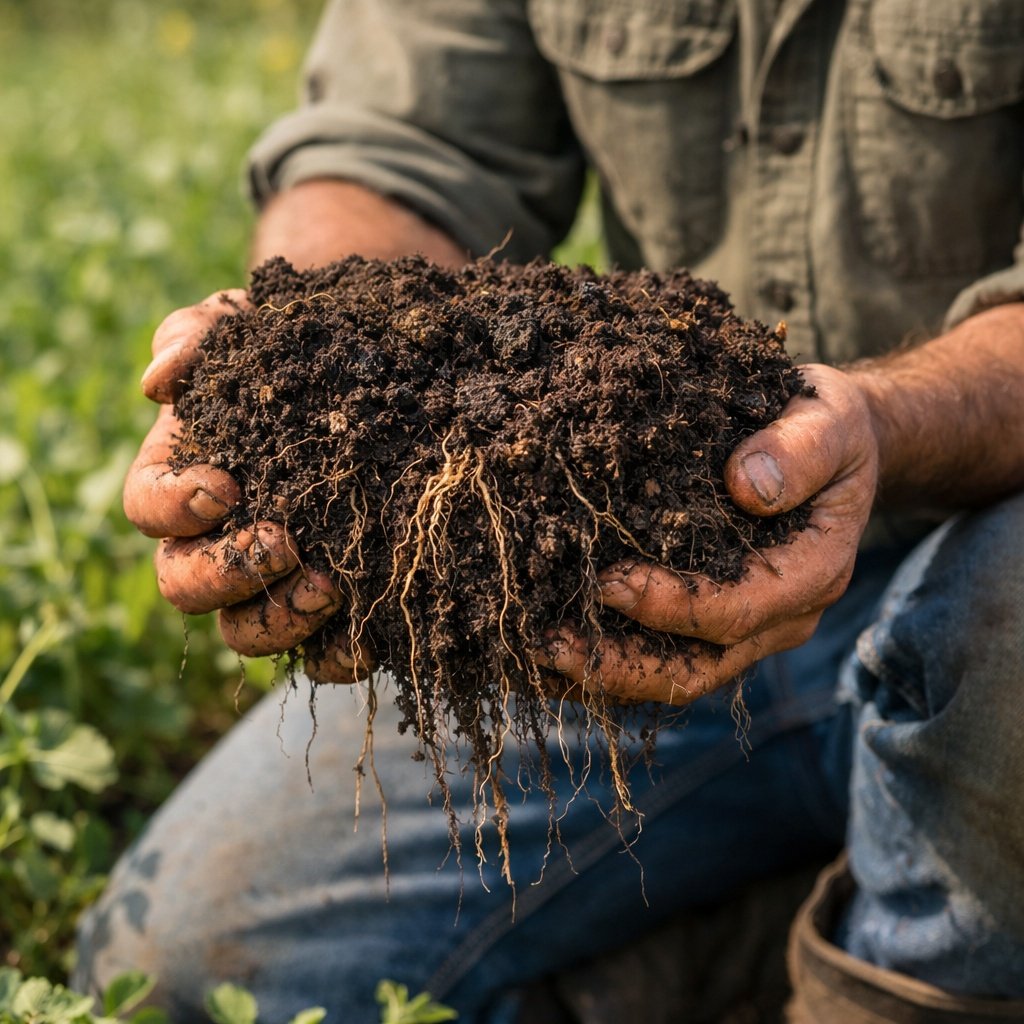
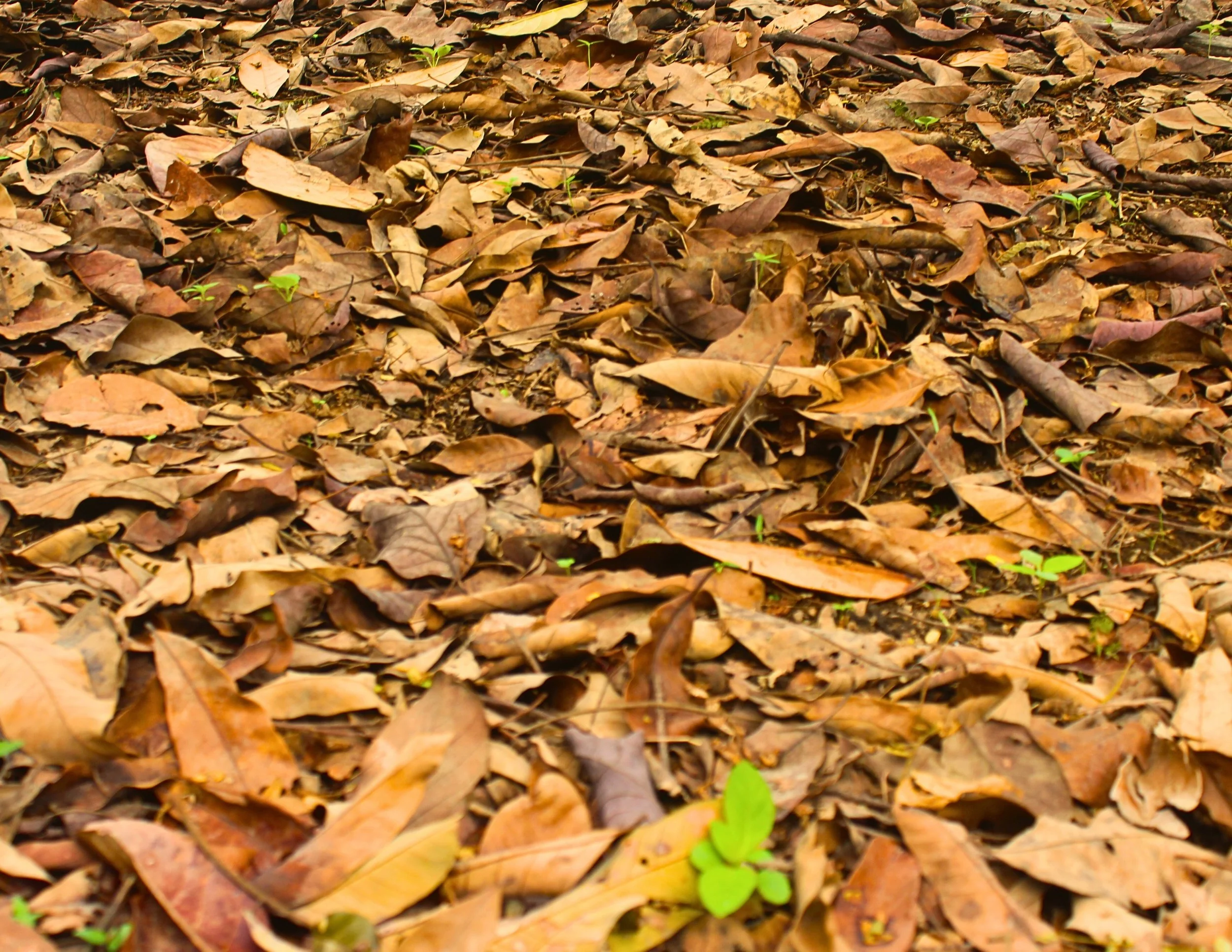
Your Lawn is an Ecosystem. Protect what lives beneath it.
Healthy lawns begin below the grass. Eliminating unnecessary chemical treatments and supporting soil biology can create stronger turf and a more resilient landscape.
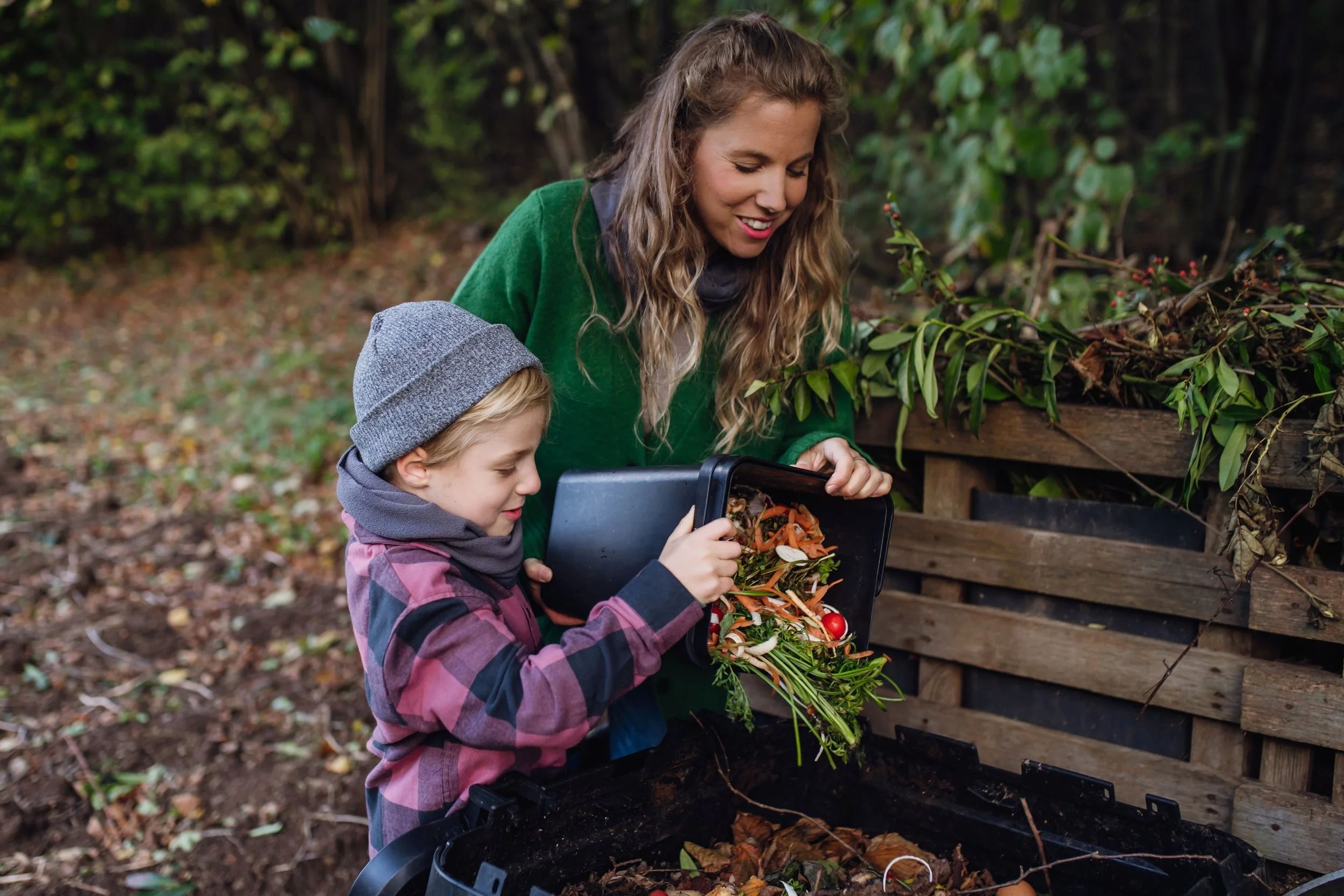
Compost isn’t fertilizer, it’s habitat.
Home composting is the rare thing that's genuinely hard to get wrong. Scraps and leaves go in, the microbes do the work, and in a few months you're holding the single most valuable soil amendment money can't really buy, made free out of what you were already throwing away.